Home Lighting Solutions: A Room-by-Room Guide to Brighter, Warmer Spaces
Short answer: Home lighting solutions combine ambient, task, and accent lighting to improve comfort, functionality, and style in every room. From warm bedroom lights and practical kitchen LEDs to decorative living room fixtures and outdoor lighting, Bright House helps you explore lighting options that suit your home, interior design, and budget.
The right lighting can transform an ordinary house into a comfortable, welcoming and visually beautiful home. From creating a relaxing bedroom to making a kitchen more practical, well-planned lighting improves how every room looks and functions. However, choosing the right fixtures, brightness levels and colour temperatures can be confusing when so many options are available.
The best home lighting solutions combine functionality, comfort and design. Instead of relying on a single ceiling light, homeowners can use a thoughtful mix of LED downlights, pendant lights, wall lights, decorative fixtures and concealed lighting to create the right atmosphere for different activities.
Whether you are building a new home, renovating an apartment or upgrading your existing interiors, this room-by-room guide from Bright House will help you choose lighting that suits your space, lifestyle and budget.
What Are Home Lighting Solutions and Why Do They Matter?
Home lighting solutions are combinations of light fixtures, light sources and controls selected to meet the practical and decorative needs of a home. They include general lighting for visibility, task lighting for specific activities and accent lighting to highlight architectural or decorative features.
A good lighting plan can help you:
-
Improve visibility for cooking, reading, working and everyday activities.
-
Create a warm, relaxing atmosphere in bedrooms and living spaces.
-
Highlight furniture, artwork, textures and interior finishes.
-
Make small rooms feel more open and visually balanced.
-
Reduce unnecessary electricity consumption through efficient LED fixtures and suitable controls.
-
Adjust the atmosphere for entertaining guests, relaxing or completing household tasks.
The key is to select lighting according to the purpose of each room instead of choosing fixtures based on appearance alone.
What Are the Three Main Types of Home Lighting?
Most effective home lighting designs combine three essential layers: ambient, task and accent lighting. Each layer serves a different purpose, and together they create a more flexible and balanced interior.
| Lighting Type | Main Purpose | Suitable Fixtures |
|---|---|---|
| Ambient lighting | General illumination | Ceiling lights, downlights, chandeliers |
| Task lighting | Focused light for activities | Desk lamps, reading lights, under-cabinet LEDs |
| Accent lighting | Highlights decorative features | Spotlights, wall lights, track lights |
For example, a living room can use ceiling lights for general visibility, a floor lamp beside the sofa for reading and adjustable spotlights to highlight artwork. Each fixture contributes something different without requiring the entire room to be equally bright.
For a deeper explanation, explore Bright House's guide to layered lighting for every room.
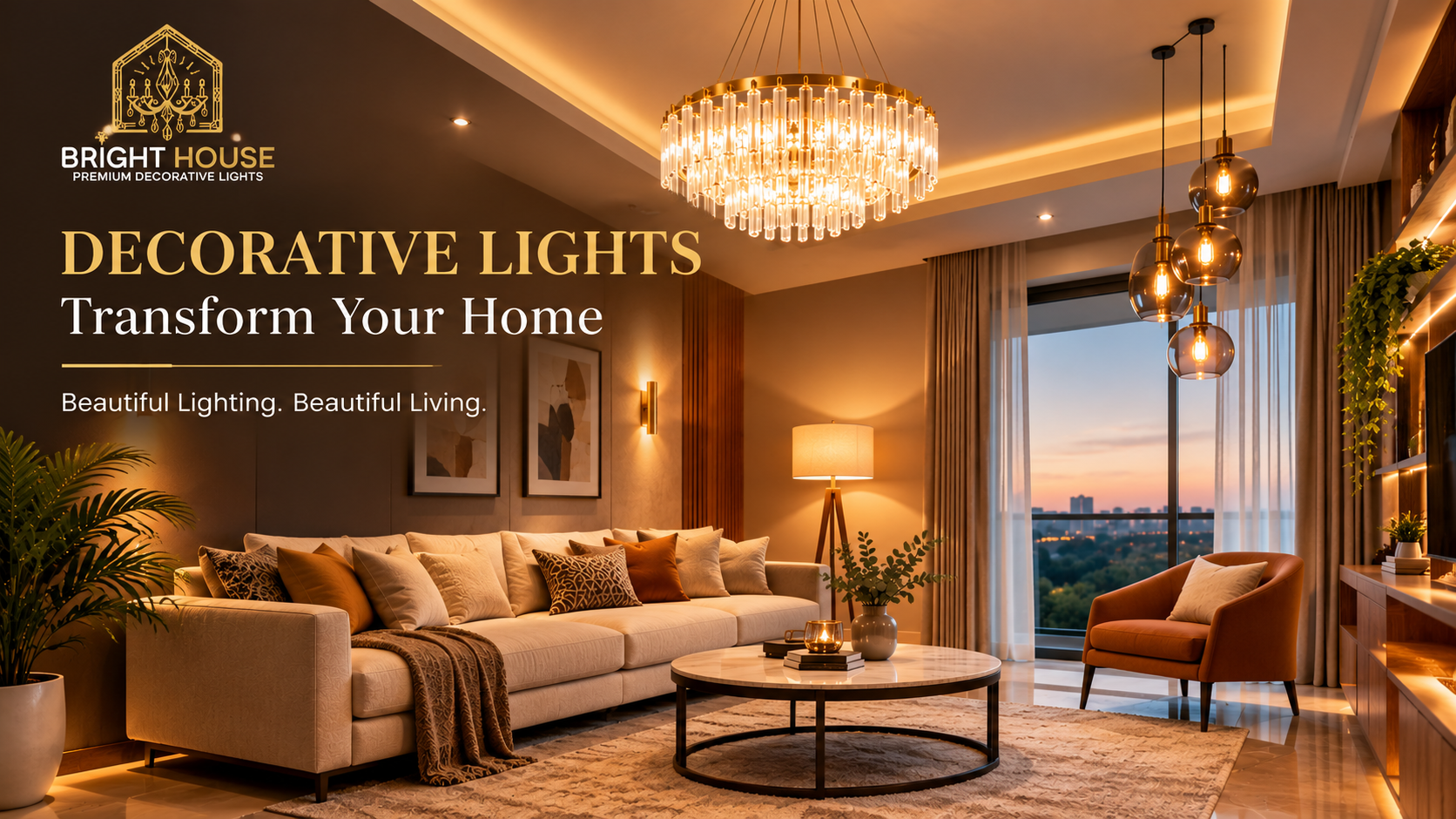
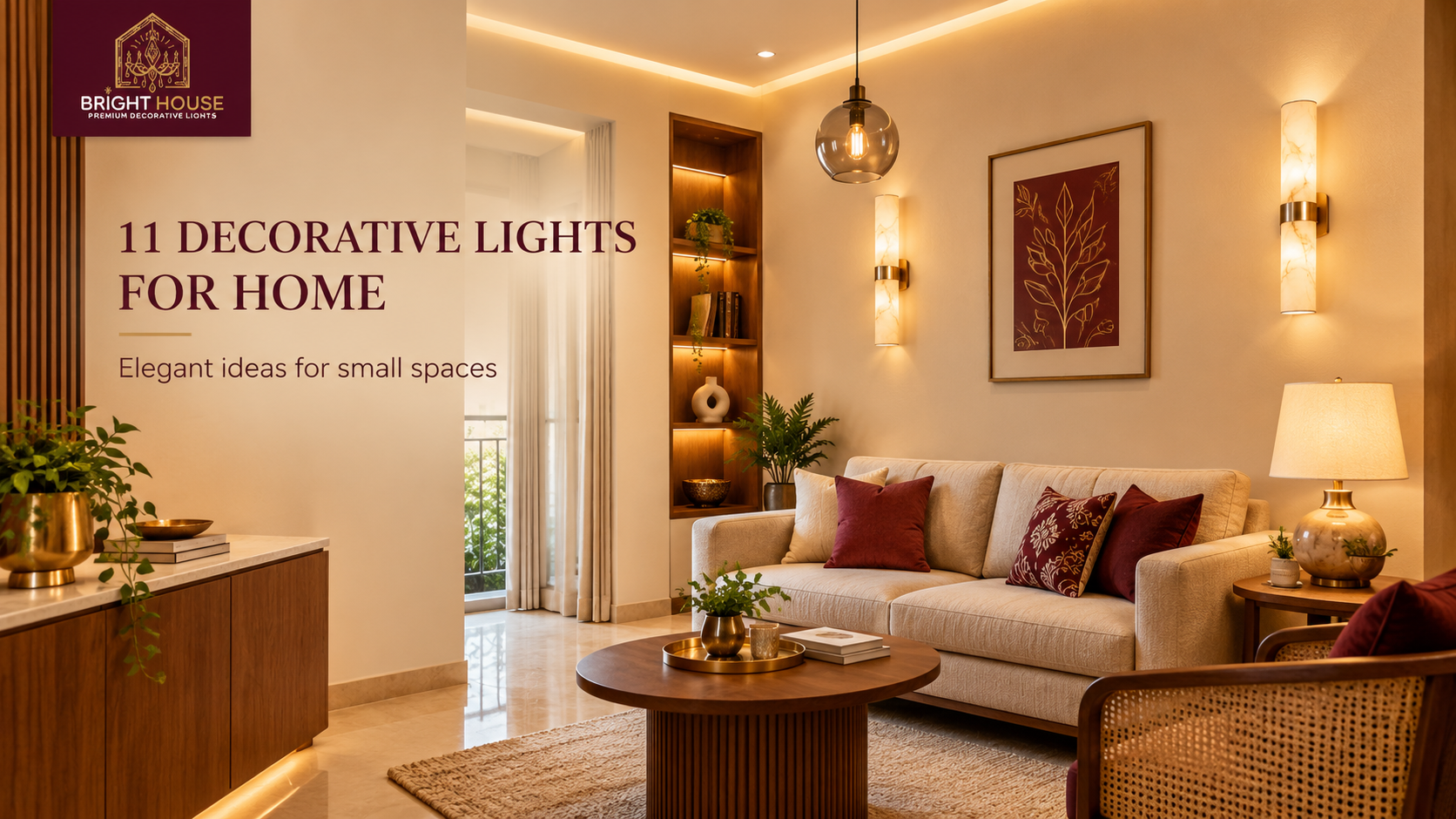
Which Home Lighting Solutions Work Best in the Living Room?
The living room usually serves several purposes, including relaxing with family, entertaining guests, watching television and reading. The best living room lighting combines comfortable general illumination with decorative and focused light sources.
Consider these options:
-
Ceiling lights: Provide general illumination throughout the space.
-
Chandeliers and pendant lights: Create a focal point and complement the interior style.
-
Wall lights: Add soft illumination and enhance textured or decorative walls.
-
Floor and table lamps: Create comfortable lighting near sofas and reading chairs.
-
LED strip or profile lights: Highlight ceiling details, shelves and selected architectural features.
-
Spotlights and track lights: Direct attention towards paintings, display units and feature walls.
Choose warm white lighting around 2700K to 3000K for a cosy evening atmosphere. If your living room also serves as a workspace or study area, separate lighting controls can help you switch between different activities.
Avoid filling the ceiling with too many downlights. A few well-positioned fixtures combined with lower-level lighting often create a more attractive result.
For additional inspiration, read Bright House's living room lighting ideas.
How Can You Choose Bedroom Lighting for a Relaxing Atmosphere?
Bedroom lighting should support relaxation while providing enough brightness for dressing, reading and other daily activities. A single bright ceiling fixture may provide basic illumination, but it often cannot create the comfortable atmosphere that bedrooms need.
A practical bedroom lighting plan includes:
-
Main ceiling light: Choose a suitable flush light, downlight arrangement or decorative ceiling fixture.
-
Bedside lighting: Use wall-mounted reading lights, pendant lights or table lamps for reading without illuminating the entire room.
-
Wardrobe lighting: Add suitable internal or external lights to make clothing easier to find.
-
Dressing-area lighting: Position light sources to provide clear, useful illumination around the mirror.
-
Concealed lighting: Consider LED strips around a headboard or suitable ceiling details for a softer decorative effect.
Warm white lighting around 2700K to 3000K is a useful starting point for bedrooms. Dimmable fixtures can make the room more versatile, particularly in the evening.
Pay attention to glare when selecting bedside fixtures. A light that shines directly into your eyes while you are lying down can be uncomfortable even if the room is otherwise well designed.
What Is the Best Lighting for a Kitchen?
Kitchen lighting must support safe food preparation, cleaning and cooking while complementing the cabinetry and work surfaces. Attractive decorative lighting is useful, but clear visibility in work areas should come first.
The most practical kitchen lighting solutions combine general illumination with dedicated task lighting.
| Kitchen Area | Recommended Lighting | Benefit |
|---|---|---|
| Main ceiling | LED ceiling lights or downlights | General visibility |
| Countertop | Under-cabinet LED lighting | Illuminates food preparation areas |
| Sink | Well-positioned task lighting | Helps with washing and cleaning |
| Island or breakfast counter | Pendant lights, where suitable | Adds focused light and visual interest |
| Open shelves | Concealed LED strips | Highlights displays and improves visibility |
| Pantry | Cabinet or sensor-controlled lights | Makes stored items easier to find |
Under-cabinet lighting is particularly valuable because overhead lights can cast shadows onto the countertop when someone stands in front of them.
Choose a colour temperature that makes food and work surfaces easy to see. Neutral white around 3500K to 4000K can work well in many kitchens, although the best choice depends on your finishes and preferences.
Ensure that fixtures installed near sinks, cooking areas or other exposed locations are suitable for their environment. Electrical installation should follow applicable safety requirements and be completed by a qualified professional.
How Should You Light a Dining Room?
Dining room lighting should make meals comfortable while creating an inviting setting for family gatherings and celebrations. A pendant or chandelier positioned above the dining table can serve as the main decorative feature.
For a balanced dining room, consider:
-
A pendant or chandelier sized appropriately for the table and ceiling.
-
Warm white lighting, typically around 2700K to 3000K, for a welcoming atmosphere.
-
Wall lights or concealed lighting to soften the surrounding space.
-
Dimmable controls, if the fixture and electrical system support them.
-
Separate controls for decorative and general lighting.
The light should illuminate the table without shining directly into diners' eyes. Check the fixture's height, width and position before installation, especially when the table is close to a wall or the room has a low ceiling.
A well-chosen decorative fixture can provide both practical illumination and a strong visual focal point.
Which Lighting Ideas Make Bathrooms More Functional?
Bathroom lighting needs to provide clear visibility around the mirror, washbasin and shower while creating a comfortable overall atmosphere.
Useful options include:
-
General ceiling lighting: Provides basic illumination throughout the bathroom.
-
Mirror lighting: Helps with grooming, shaving and applying makeup.
-
Wall lights: Can create balanced illumination when positioned correctly beside a mirror.
-
Shower-area lighting: Provides visibility when a fixture with the correct moisture protection rating is installed.
-
Concealed lighting: Can add a decorative effect around niches or suitable ceiling details.
For grooming, even illumination across the face is generally more useful than a single overhead light that creates strong shadows. Neutral white lighting may suit vanity areas, but the final colour temperature should complement the mirror, tiles and other finishes.
Bathrooms require particular care because water and electricity create additional hazards. Choose fixtures with suitable ingress protection ratings for their installation locations and have the wiring and fittings installed according to applicable electrical safety standards.
How Can You Create a Productive Home Office with Lighting?
A home office needs lighting that supports concentration, reading and screen-based work without creating distracting glare.
Start with general room lighting, then add a dedicated desk lamp to illuminate documents, notebooks and other work materials. Position the lamp so your hand does not cast a shadow over the work area.
Follow these practical tips:
-
Make use of natural daylight where possible.
-
Position screens to reduce reflections from windows and light fixtures.
-
Choose an adjustable task lamp with suitable brightness.
-
Use diffused ambient lighting to reduce harsh contrasts between the desk and surrounding room.
-
Select a consistent colour temperature that feels comfortable during working hours.
-
Consider adjustable brightness if the room serves multiple purposes.
A home office does not necessarily need extremely bright lighting everywhere. The aim is to provide enough light for the task while keeping the overall environment visually comfortable.
What Lighting Works Best for Hallways, Entrances and Staircases?
Entrances and hallways connect different parts of the home, so their lighting should make movement easy while establishing the style of the interior.
Recessed downlights and surface-mounted ceiling fixtures can provide general illumination. Wall lights can add visual interest, while suitable spotlights can highlight artwork, mirrors or a decorative console.
For staircases, prioritise consistent visibility across steps, landings and changes in floor level. Avoid placing lights where they create strong shadows or glare that makes the steps harder to see.
For smaller entrances, a mirror combined with well-positioned lighting can help the area feel brighter and more open. Compact decorative fixtures are often more suitable than oversized chandeliers in low-ceiling spaces.
Where appropriate, separate switches or occupancy sensors can make passageway lighting more convenient and help avoid leaving lights on unnecessarily.
How Can Outdoor Lighting Improve Your Home?
Outdoor lighting improves visibility around entrances, pathways, balconies and gardens while highlighting the home's exterior design.
Depending on the layout, consider these solutions:
-
Entrance wall lights: Illuminate doorways and create a welcoming first impression.
-
Pathway lights: Help people navigate walkways and garden paths.
-
Garden spotlights: Highlight trees, plants or selected landscape features.
-
Balcony lighting: Provide comfortable illumination for outdoor seating.
-
Facade lighting: Emphasise selected architectural details.
-
Security lighting: Improve visibility around access points and other relevant areas.
Use outdoor-rated fixtures with appropriate weather and moisture protection. Select beam angles and mounting positions carefully to avoid glare into neighbouring properties or nearby windows.
For gardens, subtle lighting often creates a more attractive result than illuminating every plant and wall equally. Start with pathways and key features, then add decorative accents where they provide genuine value.
For more ideas, explore Bright House's garden lighting guide.
Which Colour Temperature Is Best for Different Rooms?
Colour temperature, measured in kelvin (K), affects whether a light appears warm, neutral or cool. Choosing an appropriate colour temperature helps create a consistent atmosphere throughout your home.
| Colour Temperature | Appearance | Suggested Application |
|---|---|---|
| 2700K | Warm, golden white | Bedrooms and relaxing areas |
| 3000K | Soft warm white | Living rooms and dining rooms |
| 3500K | Balanced white | Multipurpose rooms |
| 4000K | Neutral white | Kitchens and home offices |
| 5000K | Cool daylight appearance | Specific task-oriented applications |
These are starting points, not strict rules. The best choice depends on your wall colours, flooring, furniture, daylight and personal preferences.
Where several lights are visible together, keep their colour temperatures reasonably consistent unless you intentionally want different lighting zones. You should also check the colour rendering index (CRI) when lighting artwork, fabrics, wood or other materials whose colours matter.
How Can You Choose Energy-Efficient Home Lighting?
Energy-efficient lighting helps reduce electricity consumption without sacrificing comfort or functionality. LED fixtures are a popular option because they generally consume less electricity than traditional incandescent lighting for comparable light output and often have a longer rated service life.
Consider the following before buying:
-
Compare lumens, not just watts. Lumens indicate the amount of light produced, while watts indicate electrical power consumption.
-
Choose efficient LED products. Compare the stated efficacy, warranty and rated lifetime.
-
Use separate lighting controls. Switch off decorative or task lights when they are not needed.
-
Consider dimmable fixtures. Compatible dimming controls can reduce light output when full brightness is unnecessary.
-
Use daylight effectively. Where possible, arrange work areas to benefit from natural light.
-
Select the right fixture for the task. A suitable light in the correct position can perform better than several poorly positioned fixtures.
For information about energy efficiency and lighting in India, consult the official Bureau of Energy Efficiency.
Remember that energy savings depend on the product selected, operating hours, controls and the lighting design. Compare product specifications rather than assuming that every LED fixture performs equally well.
What Should You Check Before Buying Home Lighting Fixtures?
Choosing the right fixture involves more than finding a design that matches your interiors. A few practical checks can help you avoid unnecessary replacements and installation problems.
| Factor | What to Check |
|---|---|
| Room dimensions | Match fixture size and light output to the space |
| Ceiling height | Check fixture clearance and mounting requirements |
| Light output | Compare lumens and intended coverage |
| Colour temperature | Choose warm, neutral or cool light to suit the activity |
| Beam angle | Match the light spread to the surface or area |
| CRI | Check colour rendering for artwork and interior finishes |
| Energy efficiency | Compare power consumption and light output |
| Dimming compatibility | Confirm compatibility between fixture, driver and dimmer |
| Installation | Check electrical requirements, ceiling depth and fixing method |
| Warranty | Review the manufacturer's warranty and product support |
If you are planning a new interior, decide the lighting positions before finalising the false ceiling, cabinetry and electrical points. Bright House explains this process in its guide to creating a home lighting plan before interior work begins.
What Are the Most Common Home Lighting Mistakes to Avoid?
Even attractive fixtures can produce disappointing results if the lighting is poorly planned. Avoid these common mistakes:
-
Using only one ceiling light: This can leave corners, work surfaces and seating areas poorly illuminated. Add task and accent lighting where needed.
-
Installing too many downlights: Excessive fixtures can create glare and a cluttered ceiling. Plan placement around the room's layout.
-
Choosing fixtures before measuring: Check room dimensions, ceiling height and furniture positions before purchasing.
-
Mixing colour temperatures randomly: Inconsistent lighting can make adjoining spaces feel visually disconnected.
-
Ignoring glare: Position directional fixtures so they do not shine directly into people's eyes.
-
Overlooking task lighting: Provide dedicated illumination for reading, cooking, grooming and desk work.
-
Forgetting maintenance: Check accessibility for cleaning, replacing components and servicing drivers.
-
Treating wattage as brightness: Compare lumen output and light distribution before deciding how many fixtures you need.
A successful lighting plan is not about filling every available ceiling point. It is about giving each fixture a clear purpose.
How Can You Create a Room-by-Room Lighting Plan?
Before purchasing products, make a simple plan that records the purpose of each light and where it will be installed.
-
Measure each room and note ceiling heights.
-
Mark furniture, mirrors, worktops and feature walls.
-
Identify ambient, task and accent lighting requirements.
-
Choose suitable fixtures and colour temperatures.
-
Confirm electrical points, switches and dimming requirements.
-
Check beam angles, lumens and fixture specifications.
-
Coordinate lighting with the interior designer and electrician.
-
Test the lighting before completing final installation.
A written plan helps coordinate the lighting layout, furniture arrangement, ceiling work and electrical installation. It can also reduce the likelihood of needing expensive changes after the interiors are completed.
Why Choose Bright House for Your Home Lighting Needs?
Bright House helps homeowners explore lighting options for different rooms, interior styles and practical requirements. Whether you are looking for decorative lights, LED fixtures, downlights, track lights or lighting for a feature wall, selecting products according to your space can help you achieve a more balanced result.
When planning your lighting, consider the room's purpose, desired atmosphere, installation requirements and budget before deciding on specific products.
Explore the Bright House website to discover lighting options and inspiration for your home. You can also use the room-by-room recommendations in this guide to discuss your requirements with your electrician or interior designer.
Conclusion
The best home lighting solutions balance functionality, comfort, energy efficiency and interior design. Living rooms benefit from layered illumination, bedrooms need comfortable lighting, kitchens require focused task lighting, and bathrooms need carefully selected fixtures for safe and effective visibility.
Instead of choosing the same fixture for every room, consider what each space needs to accomplish. Combine ambient, task and accent lighting where appropriate, choose suitable colour temperatures, and plan fixture positions around furniture and everyday activities.
With thoughtful planning and the right products from Bright House, you can create brighter, warmer and more inviting spaces throughout your home.
Frequently asked questions
What are the best home lighting solutions for modern homes?
A combination of LED ceiling lights, downlights, pendant lights, wall lights and task lighting works well in many modern homes. The ideal mix depends on room size, ceiling height, furniture and intended use.
Which light colour is best for a home?
Warm white around 2700K to 3000K is a useful starting point for living rooms and bedrooms. Neutral white around 3500K to 4000K can suit kitchens and work areas. Personal preference and interior finishes also matter.
Are LED lights suitable for every room?
LED lights are available for most indoor and outdoor applications. Choose products with suitable brightness, colour temperature, electrical specifications and environmental protection for the installation location.
How can I make a small room look brighter?
Use appropriately sized fixtures, illuminate dark corners, take advantage of natural daylight and add wall or table lighting where useful. Avoid oversized fixtures and excessive glare.
LED downlights
₹110 to ₹1,500 Provides general or focused ceiling lighting
LED track lights
₹537 to ₹1,300 Directs light towards artwork, shelves and feature walls
Areas we cover around Bengalore
- Koramangala
- Chickpet
- Majestic
- Whitefield
- J.P. Nagar
Frequently asked questions
What are the best home lighting solutions for modern homes?
A combination of LED ceiling lights, downlights, pendant lights, wall lights and task lighting works well in many modern homes. The ideal mix depends on room size, ceiling height, furniture and intended use.
Which light colour is best for a home?
Warm white around 2700K to 3000K is a useful starting point for living rooms and bedrooms. Neutral white around 3500K to 4000K can suit kitchens and work areas. Personal preference and interior finishes also matter.
Are LED lights suitable for every room?
LED lights are available for most indoor and outdoor applications. Choose products with suitable brightness, colour temperature, electrical specifications and environmental protection for the installation location.
How can I make a small room look brighter?
Use appropriately sized fixtures, illuminate dark corners, take advantage of natural daylight and add wall or table lighting where useful. Avoid oversized fixtures and excessive glare.
Sources
- LED track lights — orientelectric
₹200 to ₹1,500
LED Downlights
₹300 to ₹2,000
COB Spotlights