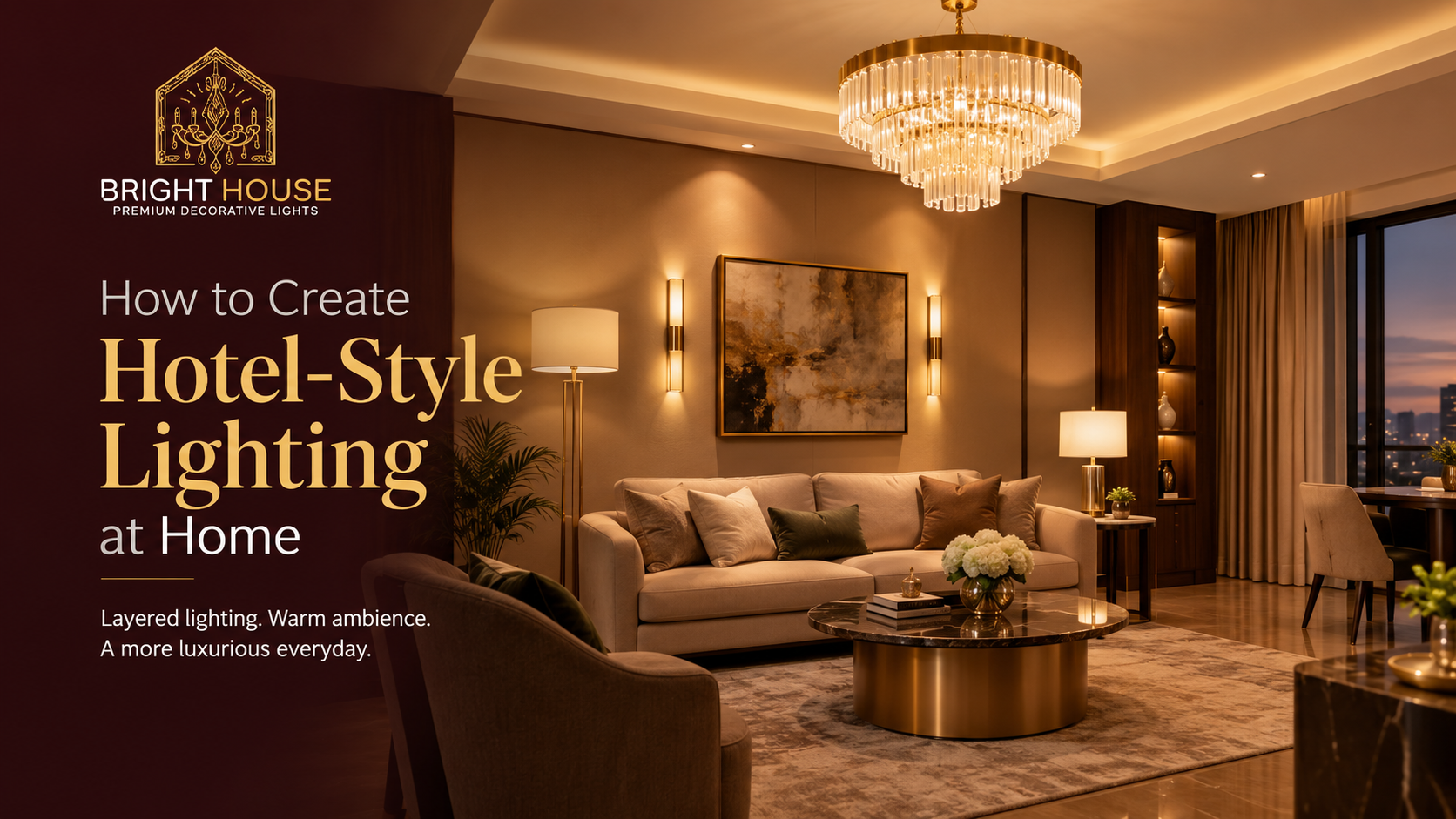
Artwork can transform an ordinary room into a carefully designed space, but the right lighting is what allows paintings and sculptures to make their full visual impact. The wrong light can create glare, hide details, distort colours or make an expensive artwork look flat.
Choosing the right lights for paintings on wall involves more than simply pointing a spotlight at a frame. You need to consider the artwork's size, surface, position, viewing angle, colour temperature, beam angle and the amount of surrounding light.
For sculptures, the lighting approach is slightly different. Because sculptures have depth and texture, they usually benefit from light coming from an angle rather than directly from the front.
This guide explains how to illuminate paintings and sculptures at home while creating a balanced, gallery-inspired lighting scheme.
What Are the Best Lights for Paintings on Wall?
The best lights for paintings on wall are adjustable picture lights, recessed spotlights, track lights and directional wall-washing fixtures that illuminate the artwork evenly without producing distracting glare.
The right choice depends on the artwork, wall position and room layout.
| Lighting option | Best for | Main advantage |
|---|---|---|
| Picture light | Individual paintings | Focused, elegant illumination |
| Adjustable spotlight | Paintings and sculptures | Precise beam control |
| Track light | Multiple artworks | Flexible positioning |
| Recessed spotlight | Modern interiors | Clean, minimal appearance |
| Wall washer | Large artwork | Even coverage |
| LED strip | Frames and niches | Soft concealed accent |
For a single painting above a console, a dedicated picture light can create a refined display. For several artworks arranged across one wall, adjustable track lighting gives you more flexibility.
A layered living room lighting scheme can also combine ambient lighting with accent lighting so the artwork remains visible without making the entire room excessively bright. See the Bright House guide to living room lighting ideas for more ideas on combining lighting layers.
How Should You Light a Painting Without Creating Glare?
Position the light so that the beam reaches the painting at an angle instead of reflecting directly back toward the viewer.
Glare is one of the most common problems when lighting framed artwork, especially paintings protected by glass or glossy finishes.
A practical approach is to:
- Position directional lights above and slightly in front of the artwork.
- Aim the beam toward the centre of the painting.
- Avoid placing the light directly opposite the viewer's normal sightline.
- Use adjustable fixtures so the angle can be fine-tuned after installation.
- Test the artwork from the main viewing positions in the room.
- Avoid extremely narrow beams on large paintings.
The final angle depends on the artwork and room geometry. A lighting professional can also help determine the correct aiming position for a particular wall and ceiling height.
For artwork with glass, glare should be checked from several viewing positions rather than from directly underneath the light.
What Colour Temperature Is Best for Artwork?
A colour temperature around 2700K to 3000K is a useful starting point for residential artwork lighting because warm white light creates a comfortable appearance and works well with many interior finishes.
However, colour temperature should be selected according to the artwork and surrounding lighting rather than following one number for every painting.
| Colour temperature | Appearance | Suitable use |
|---|---|---|
| 2700K | Warm and soft | Traditional interiors and evening ambience |
| 3000K | Warm white | Most residential artwork |
| 3500K | Neutral | Contemporary interiors |
| 4000K | Cooler white | Modern or highly functional spaces |
The most important consideration is consistency. If the surrounding room uses warm white lighting, a very cool spotlight aimed at the artwork can make the painting look visually disconnected.
For paintings containing warm colours, wood tones or gold frames, warm white lighting can complement the overall composition.
For contemporary artwork dominated by cooler colours, a slightly more neutral source may be worth considering.
Why Is Colour Rendering Important When Lighting Paintings?
Colour rendering matters because the light source affects how accurately the artwork's colours appear.
For artwork, look for LED fixtures with a high Colour Rendering Index, commonly referred to as CRI. A higher CRI generally helps colours appear more naturally compared with lower-quality light sources.
This is especially important for:
- Oil paintings
- Watercolours
- Photography
- Textile artwork
- Paintings with subtle skin tones
- Artwork with deep reds and blues
- Detailed illustrations
- Mixed-media pieces
A painting can have excellent colours under natural daylight but appear dull or inaccurate under a poor-quality artificial light source.
When selecting lights for paintings on wall, check the fixture's colour-rendering specifications in addition to brightness and colour temperature.
How Many Lights Should You Use for One Painting?
One painting does not necessarily need one light. The number of fixtures depends on the artwork's width, the fixture's beam spread and the distance between the light source and the wall.
A small artwork may work well with one adjustable spotlight or picture light.
A wide painting may require multiple light sources or a broader beam to prevent the centre from appearing much brighter than the edges.
| Artwork size | Possible lighting approach |
|---|---|
| Small painting | One picture light or adjustable spotlight |
| Medium painting | One broad picture light or directional fixture |
| Large painting | Wide beam or multiple directional sources |
| Very wide artwork | Several carefully spaced fixtures |
| Gallery wall | Multiple adjustable spotlights |
The goal is even illumination rather than simply adding more fixtures.
Too many lights can create multiple reflections, excessive brightness and visual clutter.
What Beam Angle Should You Use for Artwork?
The ideal beam angle depends on the artwork's size and the distance between the fixture and the wall.
A narrow beam produces concentrated illumination, while a wider beam spreads light over a larger surface.
| Beam type | Suitable application |
|---|---|
| Narrow | Small artwork or sculpture details |
| Medium | Medium paintings |
| Wide | Large paintings and wall surfaces |
| Very wide | Large wall-washing applications |
Adjustable spotlights are particularly useful because the beam can be aimed and repositioned.
For a large painting, a very narrow beam can create a bright centre and dark edges. A wider beam or several overlapping beams can provide more uniform illumination.
How Do You Light a Gallery Wall at Home?
A gallery wall is best illuminated using multiple adjustable light sources positioned to cover different artworks without creating competing pools of brightness.
Instead of installing one light directly above every frame, consider the composition as a single visual display.
You can:
- Group several artworks within the same lighting zone.
- Use track lights with adjustable heads.
- Aim individual beams at important pieces.
- Keep the colour temperature consistent.
- Avoid overlapping excessive brightness.
- Check the wall from the normal seating position.
- Adjust each light after the artwork has been installed.
Gallery walls can contain paintings of different sizes, so flexibility is more important than having identical lighting for every frame.
A track system can be especially useful when artwork is likely to change over time.
Can Track Lighting Be Used for Paintings?
Yes. Track lighting is one of the most flexible options for illuminating artwork because individual fixtures can be repositioned when the artwork layout changes.
Track lighting works particularly well for:
- Gallery walls
- Large living rooms
- Long corridors
- Open-plan interiors
- Multiple paintings
- Rotating art collections
- Sculptures displayed on consoles or pedestals
When using track lighting, avoid pointing every fixture straight at the wall from the same angle. Adjust each head according to the artwork's size and position.
The track itself should also complement the ceiling and interior design rather than becoming the main visual feature.
How Do You Light Sculptures at Home?
Sculptures usually look better when illuminated from an angle because directional light reveals depth, texture and shadows.
Unlike a flat painting, a sculpture has multiple surfaces that can respond differently to light.
Try using:
- One directional spotlight from the front-side.
- Two lights from different angles for larger sculptures.
- A concealed light behind a translucent sculpture.
- A low-angle light for textured pieces.
- A ceiling spotlight for tall sculptures.
- A narrow beam for highlighting specific details.
Avoid lighting a sculpture only from directly above. Overhead illumination can create strong shadows beneath facial features, ledges and textured surfaces.
Side lighting can reveal the contours of stone, metal, wood and ceramic sculptures.
For highly reflective metallic sculptures, use a wider and softer beam where possible to reduce harsh reflections.
Should Paintings Be Lit From Above or From the Side?
Paintings can be illuminated from above, but the light should be carefully angled to distribute illumination across the artwork.
A picture light mounted above the frame is a traditional solution. Directional ceiling fixtures provide another option when the electrical layout allows the light to be positioned correctly.
Side lighting can also work for certain artworks, but it may create uneven brightness if the fixture is too close to one edge.
For most homes, the decision should be based on:
- Artwork size
- Ceiling height
- Frame depth
- Glass or acrylic covering
- Viewing angle
- Furniture position
- Existing ceiling fixtures
- Available electrical points
The objective is always the same: illuminate the artwork clearly while keeping the light source visually unobtrusive.
How Can You Protect Paintings From Excessive Light?
Artwork should not be exposed to unnecessarily intense or prolonged lighting.
Light can contribute to fading and material degradation over time, particularly when sensitive artwork is exposed to strong illumination for long periods.
For valuable or particularly light-sensitive pieces, consider:
- Using LED sources with appropriate specifications.
- Avoiding unnecessary high brightness.
- Turning artwork lighting off when the room is not being used.
- Using dimmers where compatible.
- Keeping direct sunlight from falling continuously on sensitive artwork.
- Choosing appropriate glazing and conservation measures for valuable pieces.
The exact conservation requirements depend on the artwork's materials, age and value. Museums and professional conservators may use more specific lighting limits for sensitive collections.
For home interiors, the practical principle is simple: use enough light to view the artwork comfortably rather than automatically choosing the brightest available fixture.
What Is the Best Way to Light Artwork in a Living Room?
Use accent lighting to highlight the artwork while keeping ambient lighting softer than the artwork's focal illumination.
A balanced living room might include:
- Ambient ceiling lighting for general visibility.
- Wall or floor lighting for secondary illumination.
- Adjustable spotlights for paintings.
- A dedicated picture light for a feature artwork.
- Decorative lighting around architectural details.
This prevents the artwork from becoming either invisible or excessively bright.
The same principle applies when using a chandelier. The central fixture provides general illumination while directional accent lighting gives the artwork its own visual focus. For help choosing the correct chandelier proportions, see the Bright House chandelier size guide.
What Are Common Mistakes When Lighting Artwork?
Several lighting mistakes can reduce the visual impact of an otherwise beautiful artwork.
1. Using a light that is too bright
Excessive brightness can make the artwork look harsh and can create uncomfortable contrast.
Better approach: Start with moderate brightness and increase it only if necessary.
2. Pointing the beam directly at glass
This can create strong reflections that obscure the artwork.
Better approach: Adjust the angle and test the view from different positions.
3. Using a narrow beam on a large painting
A narrow beam can create a bright spot in the middle and dark edges.
Better approach: Use a wider beam or multiple overlapping sources.
4. Ignoring colour rendering
A low-quality light source may make artwork colours look different from their intended appearance.
Better approach: Look for good colour-rendering performance.
5. Mixing colour temperatures
Warm and cool lights aimed at the same wall can make the artwork look inconsistent.
Better approach: Keep nearby artwork lighting within a coordinated colour-temperature range.
6. Lighting every piece equally
Not every artwork needs the same amount of visual emphasis.
Better approach: Use stronger accent lighting for the main feature piece and softer illumination for supporting artwork.
What Is a Simple Artwork Lighting Plan for a Home?
A simple home artwork lighting plan can be built around three layers.
| Layer | Purpose | Example |
|---|---|---|
| Ambient | General room visibility | Ceiling light |
| Accent | Highlight artwork | Spotlight or picture light |
| Decorative | Add atmosphere | Wall light or concealed LED |
For a living room with one large painting, you might use a warm ceiling fixture for general lighting and one adjustable spotlight or picture light for the artwork.
For a gallery wall, several adjustable spotlights can be distributed across the ceiling.
For a sculpture, a directional spotlight from the front-side can provide depth while a softer ambient source prevents the surrounding area from becoming too dark.
How Do You Choose the Right Lights for Paintings on Wall?
Start with the artwork rather than the fixture.
Measure the painting, identify its surface and frame, observe where people normally view it from, and then determine how much flexibility you need.
Use this checklist before installation:
- Measure the artwork width and height.
- Check whether it has glass or a glossy surface.
- Decide whether the artwork is a focal point.
- Identify the normal viewing positions.
- Choose a suitable colour temperature.
- Look for good colour rendering.
- Select an appropriate beam spread.
- Choose adjustable fixtures where possible.
- Check for glare before final installation.
- Consider dimming for brightness control.
- Keep the artwork lighting visually coordinated with the room.
If you are renovating or installing a new false ceiling, plan the artwork lighting before the ceiling work is completed. This makes it easier to position recessed fixtures and electrical points accurately.
Final Thoughts
Good artwork lighting should make the viewer notice the artwork, not the light fixture.
The right lights for paintings on wall provide even illumination, accurate colour appearance and controlled brightness while avoiding distracting reflections. Paintings generally benefit from carefully aimed picture lights, spotlights or track lighting, while sculptures often look better when illuminated from the side to reveal their depth and texture.
Start by considering the artwork's size, surface and position. Then choose the colour temperature, colour rendering, beam angle and fixture type. Finally, test the lighting from the positions where people will actually view the artwork.
With thoughtful placement and layered lighting, paintings and sculptures can become natural focal points that enhance the entire room.
Frequently Asked Questions
1. What are the best lights for paintings on wall?
Adjustable picture lights, spotlights, track lights and wall-washing fixtures are practical options. The best choice depends on artwork size, surface, viewing angle and room layout.
2. What colour temperature is best for painting lights?
Around 2700K to 3000K is a practical starting point for most homes. The final choice should complement the artwork and surrounding lighting.
3. How do you light a painting without glare?
Aim the light at the artwork from an angle rather than directly toward the viewer. Adjustable fixtures make it easier to fine-tune the beam and reduce reflections.
4. Are LED lights suitable for artwork?
Yes. LEDs are widely used for residential accent lighting. Choose a suitable colour temperature, good colour rendering and an appropriate brightness level for the artwork.
5. How do you light a large painting?
Use a wider beam or multiple directional fixtures to create more even illumination across the artwork. Avoid using one narrow spotlight that produces a bright central hotspot.